Planning Food Cart Menus
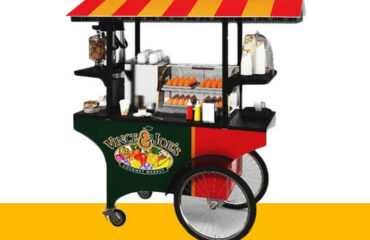
Owning a food cart is a dream for many entrepreneurs, but success in the food cart business is about much more than just having a shiny cart parked in a busy spot. The secret to thriving lies in crafting a menu that not only delights your customers but also works seamlessly with your business model.
According to a study by IBISWorld, the food truck and food cart industry in the U.S. has grown to over $1.4 billion in 2023, with a projected annual growth rate of 3.4% through 2028. This growth underscores the importance of staying competitive—and a well-thought-out menu is at the heart of that.
Here’s how to plan a menu that sets your food cart apart, keeps your customers coming back, and ensures your long-term success.
Table of contents
- Why Menu Planning Matters
- Key Questions to Ask Before Planning Your Menu
- Menu Must-Haves for Food Carts
- Making Your Menu Work Operationally
- Tips for a Standout Menu
- The Importance of Menu Presentation
- Statistics to Boost Your Confidence
- Wrapping it up
Why Menu Planning Matters
Even the most visually appealing and strategically located cart will struggle if the menu doesn’t meet customer expectations. Your menu is your brand’s first impression—it tells your story, highlights your culinary strengths, and promises a specific experience to your customers.
A well-planned menu:
- Attracts more customers: People are drawn to unique and enticing food options.
- Optimizes costs: A focused menu helps minimize food waste and control inventory.
- Streamlines operations: Simple yet appealing offerings ensure quicker service and happier customers.
Key Questions to Ask Before Planning Your Menu
To design the perfect menu for your food cart, ask yourself:
- What are your culinary strengths?
- Focus on dishes you can prepare confidently and consistently.
- What’s trending in your area?
- Study the food culture and preferences in your region. Is it classic comfort food, ethnic cuisine, or gourmet fare?
- Are ingredients easy to source?
- Choose recipes that rely on ingredients readily available at local wholesale or retail markets.
- Is the food portable?
- Your dishes should be easy for customers to eat on the go.
- What’s the competition offering?
- Stand out by offering something unique, but make sure it aligns with customer demand.
- What time will you operate?
- Breakfast, lunch, or late-night service? Each time slot calls for specific types of dishes.
Menu Must-Haves for Food Carts
Here are some ideas to get you started on a winning menu:
1. Basic Favorites
These items form the backbone of reliable food cart operations. They use familiar ingredients, prepare quickly, and satisfy the broadest customer base.
Sandwiches, wraps, and salads solve the portable food challenge better than almost any other format. A well-constructed sandwich travels without falling apart, accommodates dietary restrictions through ingredient swaps, and requires minimal equipment. Wraps work particularly well for messy fillings that would destroy traditional bread. Salads appeal to health-conscious customers but require proper refrigeration and careful sourcing of fresh ingredients.
Hot dogs and hamburgers remain crowd-pleasers because they deliver on customer expectations without requiring culinary innovation. The profit margins are strong, ingredients have long shelf lives, and preparation speed keeps lines moving during lunch rushes. These items work especially well in high-traffic areas where customers make quick decisions based on familiar options.
Pizza slices and tacos are excellent as grab-and-go meals because they’re designed for one-handed eating. Pizza requires appropriate heating equipment and careful sourcing of quality ingredients. Mediocre pizza damages your reputation faster than most menu items. Tacos offer exceptional customization potential while maintaining quick service times. Both formats work well for late-night service when customers prioritize convenience and quick satisfaction.
2. Gourmet Delights
Gourmet items justify premium pricing and differentiate your cart from competitors serving basic fare. These menu additions require stronger culinary skills and more expensive ingredients, but they create the perception of value that allows you to charge accordingly.
Lobster rolls, duck confit, and designer crepes transform a food cart into a culinary destination. Lobster rolls command $15-25 price points in most markets while maintaining food cost percentages comparable to standard sandwiches. Duck confit requires advance preparation but delivers restaurant-quality results that few mobile vendors can match. Designer crepes, both savory and sweet, provide visual appeal and Instagram-worthy presentation that generates organic marketing.
Garlic truffle fries or Wagyu sliders add luxury to familiar formats. Truffle oil costs pennies per serving but commands significant price premiums. Wagyu beef elevates a basic slider into something worth a premium price, though you need to source authentic product and not simply rely on the name. These items work best in affluent areas or at events where customers expect elevated food experiences.
Shrimp sandwiches or lamb specialties showcase premium proteins that most food carts avoid. This scarcity creates opportunity. Properly sourced shrimp and lamb preparations signal culinary ambition while justifying prices that improve your per-transaction revenue. The challenge lies in managing perishables carefully and maintaining consistent quality.
3. Ethnic Favorites
Ethnic foods allow you to carve out a specific market position while tapping into established food traditions with built-in customer bases.
Falafel, empanadas, and egg rolls represent street foods that have proven themselves across cultures and continents. Falafel appeals to vegetarians and Middle Eastern food enthusiasts while being cost-effective to produce. Empanadas travel exceptionally well and accommodate endless filling variations. Egg rolls satisfy customers seeking Asian flavors without requiring extensive Asian cuisine knowledge.
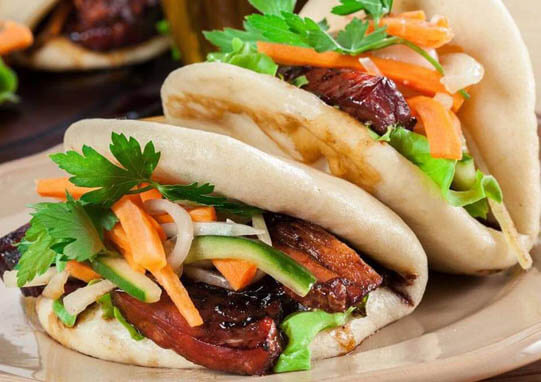
Sushi rolls and dumplings present operational challenges, especially sushi, which demands strict food safety protocols and proper refrigeration. However, these items command premium prices and create strong differentiation. Dumplings (whether steamed, fried, or pan-fried) offer better operational simplicity while still delivering on flavor expectations. Both formats benefit from being bite-sized, which encourages sampling and repeat purchases.
Quesadillas and kebabs combine portability with satisfying substance. Quesadillas require minimal equipment (a griddle) and accommodate virtually any protein or vegetable combination. Kebabs work well in stick format for mobile eating, though they require proper meat preparation and food safety practices. Both formats scale easily and maintain quality during busy service periods.
4. Sweet Treats
Dessert items create additional revenue opportunities from customers who’ve already purchased savory food. They also work as standalone products during off-peak hours.
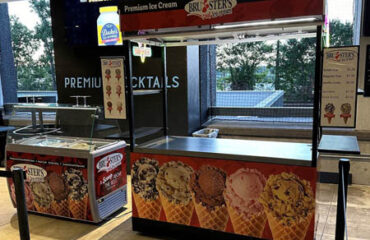
Ice cream, cupcakes, and donuts succeed because they satisfy immediate cravings without requiring meal-sized appetite. Ice cream demands proper equipment and cold storage but generates strong margins. Cupcakes and donuts work well as impulse purchases, particularly when displayed prominently. All three items benefit from seasonal flavor rotations that create urgency and repeat visits.
Brownies and cookies offer simpler operations than other desserts. They travel well, last longer without refrigeration, and require minimal equipment for service. These items work particularly well as add-ons to coffee service or as standalone afternoon snacks. The nostalgia factor shouldn’t be underestimated. Quality versions of childhood favorites generate emotional connections that drive repeat business.
5. Beverages
Beverage sales often generate higher profit margins than food while requiring minimal preparation time. They also increase average transaction values when sold alongside food items.
Coffee, tea, and lemonade form the foundation of beverage service. Coffee requires investment in quality equipment and proper training, but it creates morning traffic and repeat customers. Tea appeals to non-coffee drinkers and costs less to serve while maintaining reasonable margins. Lemonade works as a simple, high-margin item that pairs well with most food options.
Seasonal options drive urgency and create marketing opportunities. Pumpkin spice lattes generate traffic in fall despite being simple to prepare and source. Refreshing iced teas and fruit-infused waters appeal during summer heat. Cold brew coffee serves both seasons while commanding premium prices. The key is rotating offerings frequently enough to maintain interest without complicating operations or inventory management.
Making Your Menu Work Operationally
Having great menu ideas means nothing if your cart can’t execute them efficiently. Consider these operational realities:
Equipment constraints limit what you can actually prepare. A cart with only a griddle can’t properly execute items requiring deep frying. Be honest about your equipment capabilities and build your menu around what you can consistently execute well.
Ingredient overlap reduces waste and simplifies inventory. The best menus use the same ingredients across multiple dishes, which reduces spoilage and simplifies ordering.
Preparation complexity directly impacts service speed. Complex items that require extensive prep per order will create bottlenecks during busy periods. Save complex preparations for items that can be partially prepped in advance.
Storage limitations in food carts mean you can’t stock dozens of ingredients. Choose menu items that share core ingredients while still offering perceived variety.
Your menu should reflect what you can execute consistently, not what sounds impressive. Start with a focused offering of 7-10 items that you can prepare excellently, then expand cautiously based on actual customer demand and operational capability.
Tips for a Standout Menu
1. Focus on Your Signature Dishes
Offer 2-3 standout items that define your brand. Whether it’s the best tacos in town or a killer lobster roll, your signature dish should make you memorable.
2. Adapt to Local Preferences
Use local ingredients and cater to regional tastes. For example, if you’re in the South, consider offering barbecue-inspired items.
3. Seasonal Menus
Rotating dishes based on the season keeps your menu fresh and exciting. It also allows you to capitalize on seasonal produce, which is often cheaper and of higher quality.
4. Simplify Without Sacrificing Variety
Stick to 7-10 core menu items to streamline operations and minimize waste, but offer customizable options to give the appearance of variety.
The Importance of Menu Presentation
Your menu should be visually appealing and easy to read. Consider these design tips:
- Use high-quality photos of your dishes.
- Highlight your best sellers with icons or bold text.
- Keep descriptions short, engaging, and mouth-watering.
Statistics to Boost Your Confidence
- According to Toast (a restaurant tech platform), 78% of diners say that an appealing menu design influences their dining decision.
- Customers are willing to pay up to 20% more for dishes with detailed, descriptive names, as per a study by Cornell University.
- Offering health-conscious options can attract up to 40% more customers, according to the National Restaurant Association.
Wrapping it up
Planning the perfect menu is a critical step toward food cart success. A well-thought-out menu not only boosts sales but also establishes your brand’s identity and keeps customers coming back. Remember, your menu is a reflection of your creativity, culinary expertise, and understanding of your target audience.
So, take the time to design a menu that’s delicious, portable, and perfectly tailored to your location. With the right offerings, your food cart business will be on the fast track to long-term success.