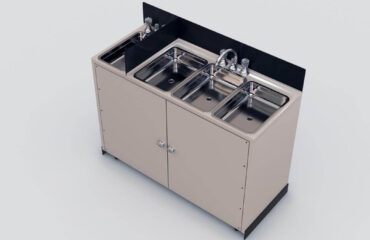
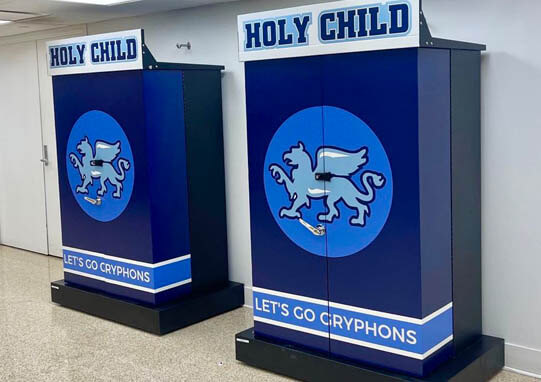
What are Retail Merchandising Units?
If you’ve been researching cart businesses, mall kiosks, or mobile retail displays, you’ve probably stumbled across the term “RMU” and wondered what the heck it actually means. Don’t worry, you’re not alone. Despite being thrown around constantly in the retail industry, there’s surprisingly little clear information about what RMUs actually are or how they can transform your business.
Let’s fix that.
Table of contents
- What Exactly Is an RMU
- Why RMUs Are Taking Over Retail
- Where You’ll Find RMUs Making Money
- Types of RMU Businesses That Work
- Making Your RMU Profitable
- Getting Started With Your RMU Business
- Wrapping it up
What Exactly Is an RMU?
A Retail Merchandising Unit (RMU) is essentially a portable, eye-catching display that showcases and sells products directly to customers in high-traffic areas. Think of it as a mini-store that can be moved, reconfigured, and customized based on your needs and location requirements.
Unlike traditional storefronts that wait for customers to find them, RMUs bring your products directly to where people are already spending time. They’re designed to intercept potential customers as they walk by, which is why industry insiders often call them “customer intercept points.”
The beauty of RMUs lies in their flexibility. They can serve as satellite locations for existing brick-and-mortar stores, allowing you to expand your reach without the massive overhead of opening new locations. Or they can function as completely standalone businesses with surprisingly low operating costs.
Why RMUs Are Taking Over Retail
Over the past decade, RMUs have exploded in popularity, and it’s not hard to see why. Traditional retail is facing serious challenges with rising rents, changing shopping habits, and increased online competition. RMUs offer a solution that addresses many of these problems.
Lower Overhead, Higher Profits
Instead of paying premium rent for a traditional storefront, RMU operators typically pay a percentage of sales or a much lower fixed rate. This dramatically reduces your break-even point and increases profit margins.
Strategic Positioning
RMUs can be placed in prime real estate within shopping centers, positioning your products right in the flow of foot traffic. You’re not competing for attention from a corner location or second floor spot.
Flexibility and Adaptability
Seasonal businesses love RMUs because they can adjust their presence based on demand. Busy holiday season? Add more units. Slow summer months? Scale back without being locked into long-term leases.
Testing Ground for New Markets
RMUs provide an affordable way to test products or markets before committing to larger investments. You can gauge customer response, refine your offerings, and build a customer base without massive upfront costs.
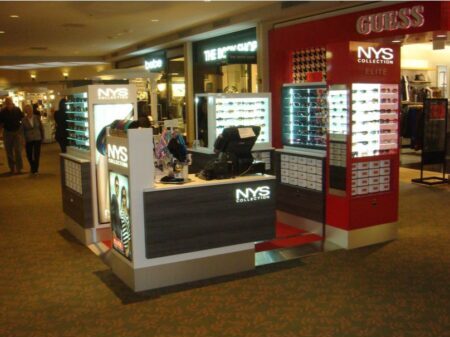
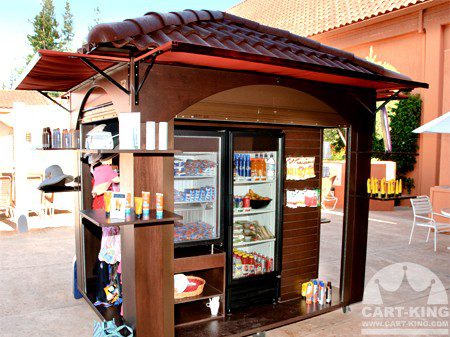
Some examples of retail merchandising units
Where You’ll Find RMUs Making Money
RMUs thrive anywhere there are concentrations of people with time to browse and disposable income to spend. Here are the most profitable locations:
Shopping Malls and Centers
The classic RMU environment. Mall corridors, food court areas, and main walkways provide steady streams of potential customers who are already in a shopping mindset.
Airports
Travelers have time to kill and often seek unique items, local products, or last-minute necessities. Airport RMUs benefit from captive audiences with higher-than-average spending power.
Transportation Hubs
Train stations, bus terminals, and subway stations serve thousands of commuters daily. RMUs here often focus on convenience items, food, or quick services.
Event Venues
Concerts, festivals, sporting events, and conferences bring together large crowds in celebratory moods. These temporary but high-volume opportunities can be extremely lucrative.
Hotels and Resorts
Guests often need convenience items, gifts, or local specialties. Hotel lobbies and resort common areas provide built-in customer bases.
College Campuses
Students represent a consistent market for food, accessories, electronics, and lifestyle products. Campus locations often have less competition and built-in demand.
Types of RMU Businesses That Work
Food and Beverage
From smoothie bars to specialty coffee, food RMUs consistently perform well because they fulfill immediate needs and encourage repeat customers.
Accessories and Fashion
Jewelry, phone accessories, sunglasses, and trendy fashion items work well in mall environments where customers are browsing and making impulse purchases.
Personal Care and Beauty
Skincare products, cosmetics, and personal care items appeal to shoppers looking for new products or forgotten necessities.
Electronics and Tech
Phone repairs, accessories, and small electronics serve the constant demand for tech products and services.
Seasonal and Holiday Items
Christmas decorations, Halloween costumes, and summer accessories can generate significant revenue during peak seasons.
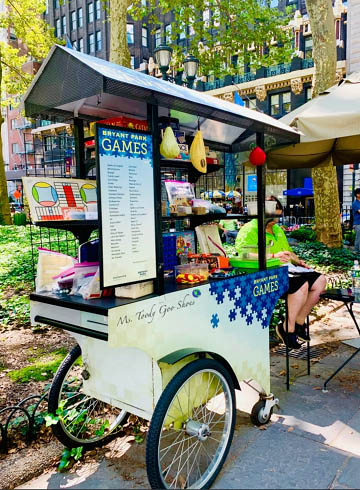
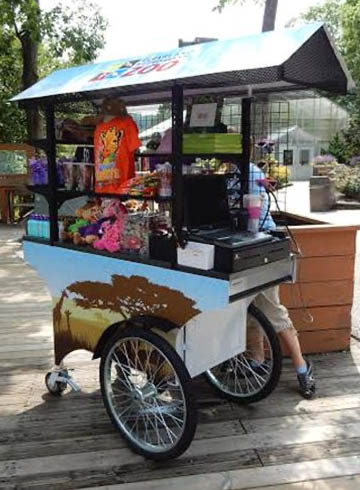
Some examples of push cart retail merchandising units
Making Your RMU Profitable
Location Is Everything
The success of your RMU depends heavily on foot traffic patterns and customer demographics. Study the location carefully before committing. Peak hours, seasonal variations, and nearby anchor stores all affect your potential sales.
Design for Attraction
Your RMU needs to grab attention in busy environments. Bold colors, clear signage, and attractive product displays are essential. Remember, you have seconds to capture interest as people walk by.
Train Your Team
RMU staff are sales ambassadors who need to be proactive, friendly, and knowledgeable. They should be comfortable approaching customers and explaining products quickly and effectively.
Manage Inventory Carefully
Limited storage space means you need to balance having enough variety to attract customers while avoiding overstock situations. Focus on high-turnover items and seasonal adjustments.
Build Relationships
Develop good relationships with mall management, neighboring stores, and regular customers. Word-of-mouth referrals and repeat business are crucial for long-term success.
Getting Started With Your RMU Business
Research Your Market
Before investing in equipment or inventory, spend time observing potential locations. Count foot traffic, note customer demographics, and identify gaps in current offerings.
Understand the Costs
Beyond the initial RMU investment, factor in rent (often percentage-based), insurance, inventory, staffing, and ongoing maintenance. Create realistic financial projections before committing.
Choose the Right Design
Your RMU should reflect your brand while being practical for your specific products and location requirements. Consider storage needs, electrical requirements, and mobility features.
Navigate the Approval Process
Most locations require approval of your RMU design, business concept, and operational plans. This process can take weeks or months, so plan accordingly.
Wrapping it up
Retail Merchandising Units represent a smart way to enter retail or expand existing operations without the massive overhead of traditional storefronts. They bring your products directly to customers in high-traffic environments and offer the flexibility to adapt to changing market conditions.
Success with RMUs comes down to choosing the right location, offering products people actually want, and executing professional operations that build customer trust and repeat business.
Whether you’re looking to test a business concept, expand an existing operation, or create a completely new revenue stream, RMUs offer a proven path to retail profits with manageable risk and investment.
The key is doing your homework upfront, choosing quality equipment that reflects your brand professionally, and committing to the consistent effort required to build a successful retail operation.