Owning a Mall Kiosk
Mall kiosk designers and manufacturers have revolutionized the retail landscape over the past several decades. Gone are the days when a simple, standard table placed in front of an indoor store was the primary method of showcasing goods. As shopping trends and consumer behaviors evolved, so did the design and functionality of retail display solutions. Today, custom-built carts and kiosks are the perfect answer to the dynamic needs of modern retail spaces.
Table of contents
- From Simple Displays to Sophisticated Solutions
- The Power of Location: Maximizing Consumer Traffic
- A Cost-Effective Alternative to Traditional Stores
- Additional Benefits of Kiosks and Carts
- A Proven Strategy for Modern Retail
- Wrapping it up
1. From Simple Displays to Sophisticated Solutions
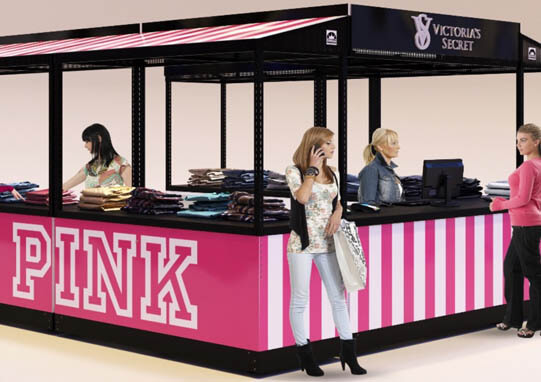
The retail industry has come a long way from its humble beginnings. Custom retail carts and kiosks have become indispensable for businesses looking to adapt to changing mall trends. Unlike static storefronts, kiosks offer flexibility and mobility:
- Rebranding Potential: A kiosk can be redesigned or refreshed to reflect seasonal promotions, new product lines, or updated branding efforts.
- Mobility: Unlike fixed stores, a cart or kiosk can be repositioned within the mall or even relocated outside to capture the attention of a different audience.
- Engagement Tools: Modern kiosks often integrate technology like digital signage, interactive displays, or touchscreens to enhance the customer experience.
These innovations make kiosks an essential part of any mall’s retail ecosystem, offering a versatile and cost-effective way for businesses to stand out in a competitive market.
2. The Power of Location: Maximizing Consumer Traffic
When it comes to retail success, the old adage rings true: location, location, location. Retail carts and kiosks now occupy some of the most high-traffic, premium spaces in malls, airports, and public areas across the USA. Strategically positioned in areas where foot traffic is naturally high, kiosks offer businesses unparalleled exposure to potential customers.
- Consumer Traffic Flow: Successful kiosk placement often revolves around understanding and capitalizing on consumer movement patterns. Locations near food courts, escalators, or entrances tend to attract higher volumes of passersby.
- Engaging Features: To draw customers in, kiosks often employ catchy graphics, vibrant video displays, and even ambient music to create an inviting atmosphere. Retailers who invest in these techniques tend to see higher engagement rates and sales performance.
For businesses, this focus on strategic placement and modern retail techniques means a greater opportunity to capture attention and convert casual shoppers into loyal customers.
3. A Cost-Effective Alternative to Traditional Stores
Building and maintaining a mall kiosk or cart is significantly less expensive than leasing and operating a traditional in-line store. Consider the financial implications:
- Cost Savings: A full-fledged retail store requires substantial investment in millwork, fabrication, and contractor services, often costing hundreds of thousands of dollars. In contrast, a kiosk or cart typically requires only a fraction of that initial outlay.
- Risk Mitigation: For entrepreneurs or businesses testing a new product or service, kiosks offer a low-risk opportunity to gauge market interest without committing to a costly long-term lease.
- Flexible Overhead: Since kiosks and carts generally have lower operating costs, businesses can focus more on refining their offerings and building customer relationships.
Whether you’re launching a new business or expanding an existing one, kiosks provide a practical, cost-efficient way to establish a retail presence.
4. Additional Benefits of Kiosks and Carts
Beyond their affordability and flexibility, kiosks and carts offer a host of other advantages that make them an attractive option for businesses:
- Ease of Operation: With compact layouts and streamlined functionality, kiosks are easy to manage, even for small teams.
- High Visibility: Positioned in prime locations, kiosks often become focal points for shoppers, providing excellent brand exposure.
- Adaptability: Whether you’re selling products, offering services, or promoting a new concept, kiosks can be customized to fit your unique needs.
These advantages make kiosks not only a practical choice but also a strategic one for businesses looking to thrive in competitive retail environments.
5. A Proven Strategy for Modern Retail
For those still on the fence about adopting a kiosk-based retail model, consider the insights from the New York Times article, “Tiny Mall Kiosks Make a Surprisingly Big Impact.” The piece highlights how these small-scale retail spaces can drive significant customer engagement and sales, proving that bigger isn’t always better.
Wrapping it up
The shift from traditional storefronts to mobile retail solutions reflects broader changes in how consumers shop and how businesses manage risk. Kiosks and carts won’t replace conventional retail spaces, but they’ve carved out a legitimate niche for businesses that value flexibility over permanence.
The economics make sense for specific use cases: testing new markets, launching seasonal concepts, or operating on tighter budgets. The strategic advantages, such as mobility, lower overhead, prime positioning in high-traffic areas, explain why mall operators continue allocating premium space to well-designed kiosks rather than expanding traditional storefronts.
For entrepreneurs evaluating their options, the question isn’t whether kiosks are universally superior to traditional retail. It’s whether your specific business model, target market, and growth strategy align with what mobile retail does well. If they do, the advantages compound quickly. If they don’t, no amount of strategic placement will overcome a fundamental mismatch between format and business needs.